
Character Reflection – Samy
Jun
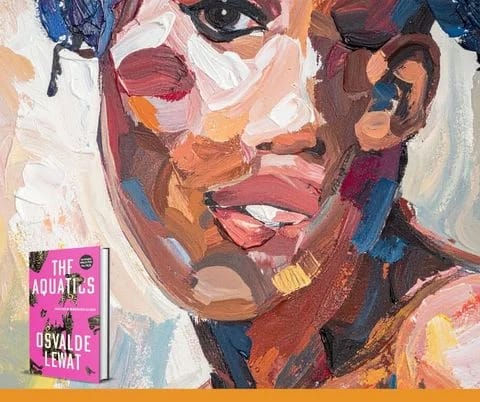
Samy, the protagonist in The Aquatics is unforgettable. Brilliant, infuriating, passionate, and deeply loyal, he is the emotional and moral catalyst at the centre of the novel. Through his friendships, ambitions, and refusal to conform, Samy challenges the social order around him and forces those closest to him to confront difficult truths. In this character reflection, Osvalde Lewat introduces the artist, friend, and dreamer whose life sets the events of The Aquatics in motion.
Samy is the kind of person who can quote Seneca in Latin to rage against a power outage or a late taxi. He is a multidisciplinary artist in his thirties, an obsessive sculptor, a brilliant and slightly prone to drama intellectual. People find him very impressive — at least at first. Katmé, his best friend, will eventually tell him to go fuck himself with his Latin quotes, what will do nothing to stop him keeping going.
He is devoted to cinema, books, long late-night conversations, complex ideas, pointless debates, and slightly lost people. Samy belongs to those people who live intensely to the point of exhaustion. He wants to become a great artist, to be recognized, to leave a mark. More than a matter of ego, for Samy ambition is tied to the deep conviction that art must disturb and shake people in revealing what societies prefer to silent. In fact, he is working on a politically oriented exhibition that will ultimately lead to his downfall.
Like many artists consumed by their work, Samy has a chaotic relationship with time. His partner, Ety, sometimes wishes he could come before the studio, the sculptures, or the grand artistic visions that keep Samy awake in the middle of the night. But Samy is always busy thinking about an installation, or moving a sculpture three centimetres here and there over the course of ten hours.
Despite his acute intelligence and exasperating nature, he is also big-hearted. In his working-class neighbourhood, Samy offers free sculpture lessons to underprivileged youth. He is convinced that art offers a space of dignity, freedom, and imagination to those who rarely have access to it. Samy teaches with passion — sometimes even too much passion, capable of turning a simple sculpture class into a dizzying reflection on the human condition.
In Katmé’s life, he occupies a place that no one can replace. They have known each other since high school and, over time, have become a safer space of comfort for one another. She calls him his brother. Samy is the godfather of her two daughters. Around them kids, the sarcastic intellectual turns into a doting uncle, often ridiculous in his tenderness and gentleness.
Where Katmé built herself through control, adaptation, and compromise, Samy lives with his nerves opened to any assault. He feels everything in his flesh with intensity, whether it is humiliations, desires, injustices or enthusiasms.
To know Samy, one discovers a funny man, sometimes excessive, often egocentric, time to time radiant, and profoundly alive.
Shop The Aquatics
About The Aquatics
In the fictional Zambuena, Katmé lives a life of privilege; a dutiful politician’s wife to a husband that has ceased to notice her. The only outlier to her regimented life is her friendship with Samy, a struggling artist, and gay man—an offense punishable by law in Zambuena. When Samy’s new exhibition boldly critiques Zambuena’s inequities, Katmé’s two lives are set on a collision course. Political rivals descend and threaten Samy with incarceration, forcing Katmé into an agonizing choice: abandon her friend or destroy her family.
